 Neurogenic rosacea is a less common form of the disease that may be mistaken for erythematotelangiectatic rosacea (ETR), formerly referred to as subtype 1. The two subtypes share persistent facial redness and flushing as their primary signs. However, ETR sufferers are more likely to have dry, itchy skin, while those with neurogenic rosacea experience intense burning and stinging sensations that won’t go away.1
“These are the type of patients who sometimes come in with ice cubes, a cooler or a fan that they’re carrying with them, and they're really, really bothered by the heat and discomfort of their face,” Dr. Yolanda Helfrich, professor and chief of medical dermatology at the University of Michigan Medical School, explained at the 2026 American Academy of Dermatology annual meeting.
Patients with neurogenic rosacea are often the hardest to treat because their signs and symptoms tend not to improve with standard therapies. Interestingly, studies have identified connections between this condition and PTSD,2 and doctors have found some success with treatments usually reserved for psychiatric use.
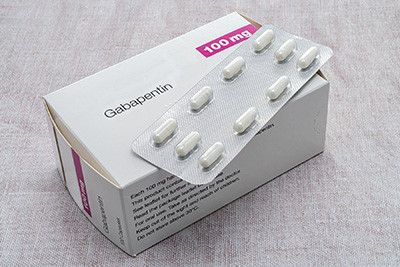
“When we make a diagnosis of neurogenic rosacea, our typical rosacea therapies are not very helpful,” Dr. Helfrich said. “We can sometimes use them, and some patients might experience minimal or some relief, but we typically turn to neuroleptic agents like gabapentin, pregabalin, tricyclic antidepressants, pain modifying antidepressants.”
A recent study found that gabapentin reduced rosacea-like symptoms by suppressing the cathelicidin LL37 and related molecules that cause inflammatory response in both a mouse model and human subjects.3 Gabapentin performed as well as a combination of oral minocycline and hydroxychloroquine (MIN+HCQ), a commonly used therapy for neurogenic rosacea, in reducing facial redness and swelling.
Unfortunately, a separate small study found that although gabapentin was able to significantly reduce redness and flushing in neurogenic rosacea patients, it was less effective in relieving burning, stinging and itching sensations.4 The investigators suggested a larger scale study may be necessary.
Reference:
1. Liu T, Yin Z, Tao M, et al. Comparison of clinical characteristics of neurogenic rosacea and erythematotelangiectatic rosacea: a cross-sectional observational study. Ann Med. 2025 Dec;57(1):2512123. doi: 10.1080/07853890.2025.2512123. Epub 2025 May 28.
2. National Rosacea Society. Scientists Identify Connection Between PTSD and Rosacea. NRS weblog. March 14, 2016. Available at https://www.rosacea.org/blog/2016/march/scientists-identify-connection-between-ptsd-and-rosacea
3. Jiang Z, Ding T, Zhao Y, et al. Transcriptomic and metabolomic insights into gabapentin's therapeutic role in neurogenic inflammation of rosacea. Commun Biol. 2026 Feb 14;9(1):430. doi: 10.1038/s42003-026-09662-3.
4. Ma G, Zhang Y, Gao Q, et al. Gabapentin improves the flushing of rosacea, but not other rosacea symptoms or quality of life: Results from a multicenter, randomized, double-blind, placebo-controlled pilot study. J Am Acad Dermatol. 2025 Apr;92(4):920-922. doi: 10.1016/j.jaad.2024.12.003. Epub 2024 Dec 15.