
 From hot meals to fiery spices, dining out is filled with multiple rosacea triggers. We asked 716 patients about their habits and experiences when dining out, whether at restaurants or other people’s homes, and how they avoided food-based flare-ups.
Asked if they had already altered their diet to avoid flare-ups, an overwhelming 81.3% of respondents said yes. Unsurprising, since many foods have been reported to trigger flare-ups through high heat or ingredients like peppers, spices, cinnamon, chocolate or dairy.
Survey participants were also asked what they did to avoid triggers while choosing a restaurant. Almost two thirds (64.2%) of respondents play it safe by sticking to familiar establishments where they know the food. Over half (53.2%), however, were open to visiting new restaurants, though they researched online menus before heading out. When dining at restaurants, respondents said they avoided potential dietary triggers in different ways. The largest group (40.6%) said they stuck to certain dishes they knew wouldn’t affect them. Nearly a quarter (24.6%) asked waitstaff to request the omission or substitution of certain ingredients in different meals.
When asked how they avoided triggers at friends or family members’ homes, only a small percentage (18.2%) of survey takers reported that friends and family members were aware of their food triggers. In fact, more than half (58.4%) shared that friends and family weren’t aware of their triggers, so they remained cautious about what they ate.
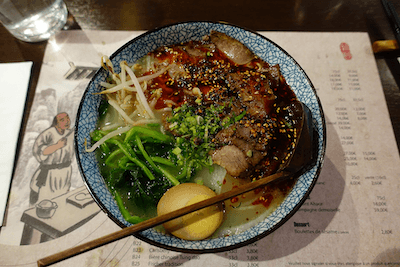
When queried about which cuisines most often caused flare-ups for them as individuals, respondents provided a cosmopolitan “menu.” Predictably, typically spicy fares ranked higher: Mexican (51.7%), Indian (41.1%), Thai (31.48%), Chinese (21.9%), Italian (20.9%), American (10.8%), Japanese (7.6%), German (3.9%), and French (3.0%). Over a third of survey participants also marked “other,” and generally cited any and all spicy foods as triggers, though a few mentioned salt, sugar, citrus, wine, and very hot food as well.