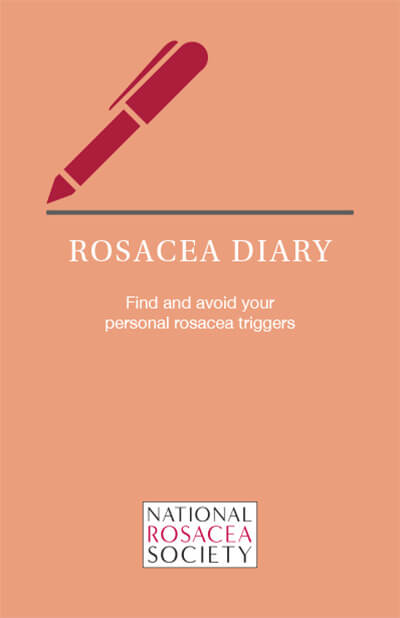
 The National Rosacea Society today announced it has introduced an updated version of the “Rosacea Diary,” a booklet containing diary pages to help patients identify and avoid their personal rosacea triggers – such as certain foods, weather, physical activity and skincare products. The updated diary streamlines and modernizes the design for ease of use and incorporates a new and more robust checklist.
“The Rosacea Diary is a valuable resource for those recently diagnosed with rosacea who have not yet determined what triggers their flare-ups,” said Dr. Linda Stein Gold, director of dermatology clinical research at Henry Ford Health System. “Every rosacea patient is unique, and what causes a reaction in one person may not in another. The diary makes a potentially overwhelming process manageable for patients and helps doctors craft a personalized and effective treatment plan.”
The booklet includes a two-week supply of daily checklists detailing the most common factors that may trigger a flare-up, such as weather conditions, foods and beverages, and experiences like emotional stress or exercise. It also asks what signs and symptoms are present and one’s overall rosacea severity, as well as questions about daily skin care, medications and other professional treatments. By identifying the things that worsen their rosacea on a daily basis, patients can more effectively keep their condition under control. In NRS surveys of rosacea patients who identified and avoided their personal rosacea triggers, more than 90% reported their condition had improved.
Patients with rosacea may download the new “Rosacea Diary” booklet free of charge from the NRS website at rosacea.org. The updated diary can also be obtained by writing the National Rosacea Society or calling its toll-free number, 888-NO-BLUSH. Health professionals may also order bulk quantities as handouts for their patients.
In addition to the updated Rosacea Diary, the NRS offers a broad range of educational materials to patients and physicians, including “Understanding Rosacea,” its most popular educational booklet that provides an introduction to this chronic facial skin disorder; “Coping with Rosacea,” a patient guide to eliminating those lifestyle and environmental factors that aggravate rosacea in individual cases; and “Management Options for Rosacea,” a patient handout that provides an overview of available treatment options addressing each of rosacea’s potential signs and symptoms. Those who become members of the NRS can also sign up to receive Rosacea Review, a newsletter sharing recent research, tips and other news.