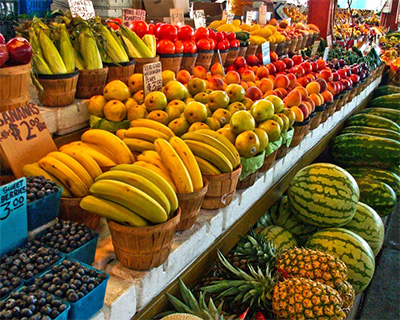
 Numerous studies have looked at the role of individual dietary triggers, such as spicy foods, hot drinks, and foods rich in histamine or cinnamaldehyde. But for the first time, a large-scale study has explored possible connections between broader dietary habits — the consumption of healthy plant-based foods — and rosacea risk.1
Using data from the UK Biobank, the researchers identified 198,557 participants aged 37-73 who did not have rosacea and regularly provided information about their food intake via a series of questionnaires. During the timespan included in the study, 1,075 participants developed rosacea. Using the questionnaire data, the researchers examined those who reported following predominantly plant-based diets (PDI), as well as subsets of those people who either ate healthful plant-based diets rich in whole grains, fruits and vegetables (hPDI), and those whose diets included sugary drinks, snacks, desserts, refined grains and fruit juice, who were termed the unhealthful plant-based diet index, or uPDI.
The researchers found that for every 10-point increase in hPDI and PDI score, there was a 16% and 9% reduction in rosacea risk, respectively. However, those whose diet included less healthy foods were more likely to develop rosacea; for each 10-point increase in uPDI score, the researchers found a 12% higher risk.
The researchers also looked for associations between 17 food groups and the risk of rosacea. Notably, a 10-point increase in meat intake was associated with a 90% increased risk for rosacea when adjusted for factors such as age, sex, and various lifestyle factors. Conversely, participants who consumed more legumes and nuts had a reduced risk of rosacea. This result supports the findings of a 2023 study on dietary patterns in acne and rosacea patients, which found that “patients with rosacea consumed significantly more animal products compared to controls, despite being self-reported as dietary triggers, and fewer legumes, despite being perceived as beneficial… Fried foods, processed meats such as ham and burgers, and aged cheeses are high in histamine, with isolated studies suggesting possible effects on rosacea skin.”2
Participants who had a higher overall PDI score and drank alcohol once or twice a week tended to have a lower risk of developing rosacea. In contrast, a higher uPDI score increased the rosacea risk in those who drank once or twice a week. The researchers suggested that “participants with higher alcohol consumption and greater energy intake should consider adhering to an overall or healthy plant-based dietary pattern and avoiding an unhealthful plant-based dietary pattern.”
The effects of plant-based diets on rosacea may be caused by many factors, the investigators noted. Certain foods have been shown to activate inflammatory responses in the skin, including those containing capsaicin, cinnamaldehydes or histamines. This can lead to symptoms of flushing, burning and persistent redness (erythema) in rosacea. Additionally, the gut microbiome may play a role in rosacea. High-fiber, fermented-food, and Mediterranean diets have anti-inflammatory effects, including on the skin, and the opposite may be true with highly processed and meat-heavy diets. The researchers also speculated that a plant-based diet may influence rosacea development by decreasing insulin resistance.
References:
1. Zhang Y, Yang F, Zheng WR, et al. Healthy plant-based dietary pattern is associated with a lower risk of rosacea. J Eur Acad Dermatol Venereol. 2025 Nov 18. doi: 10.1111/jdv.70163. Epub ahead of print. PMID: 41255052.
2. Guertler A, Volsky A, Eijkenboom Q, et al. Dietary Patterns in Acne and Rosacea Patients: A Controlled Study and Comprehensive Analysis. Nutrients. 2023 Oct 17;15(20):4405. doi: 10.3390/nu15204405. PMID: 37892480; PMCID: PMC10609993.