 Age has an impact on everyone’s health, and rosacea patients are no exception. But while age may be a factor in the disorder, it’s unwise to make any assumptions based on whether a rosacea patient is young or old. Here are a few facts and figures to keep in mind.
One common misconception is that rosacea usually only strikes people between the ages of 30 and 50. Most rosacea patients are diagnosed after they turn 30, but that doesn’t mean the condition doesn’t affect younger people. A 2007 National Rosacea Society survey of 1,391 patients revealed almost 17% of respondents were diagnosed before reaching their thirties, and as awareness of the disorder grows, diagnosis at a younger age has become more common. In another NRS survey just five years later, 33% of respondents said their rosacea first appeared before age 30, and 25% said it started after age 50. While rare, children can experience rosacea as well.
Is there ever an age when rosacea “stops”? Not really, though one study suggests a lower incidence of rosacea in older people, possibly due to an age-related impaired immune response. Epidemiological studies showed the incidence of rosacea peaks between 30 and 50, with the highest incidence of rosacea occurring in individuals between 25 and 44.9. However, new signs and symptoms may develop years after the condition’s initial onset.
A recent New York Times article explored why rosacea may worsen with age in some patients. Dr. Dina Elrashidy, a dermatologist at Northwestern Medicine, pointed out that symptoms may "wax and wane" over the course of a patient's life. She further explained how skin thins and dries over time, making erythema (redness of the skin) appear more pronounced. Dr. Julie Harper, (president and owner of Dermatology and Skin Care Center of Birmingham and editor of the Rosacea Review), noted that a rosacea diagnosis in one's 20s may presage the condition worsening between ages 30 and 50. Dr. Harper said that while the cause is unknown, one theory is that exposure to triggers through the years causes chronic inflammation. This weakens blood vessel tissue, leading to increased flushing and chronic erythema as they become “permanently dilated and visible on the skin’s surface," she said.
According to another survey, most rosacea patients are satisfied with the oral and topical prescription therapies their doctors prescribe. However, older individuals (60 years and over) are more likely to stick with older treatments, versus newer options that may be more effective. Whether young or old, however, all patients should make time to talk with their providers about the latest and most effective treatments.
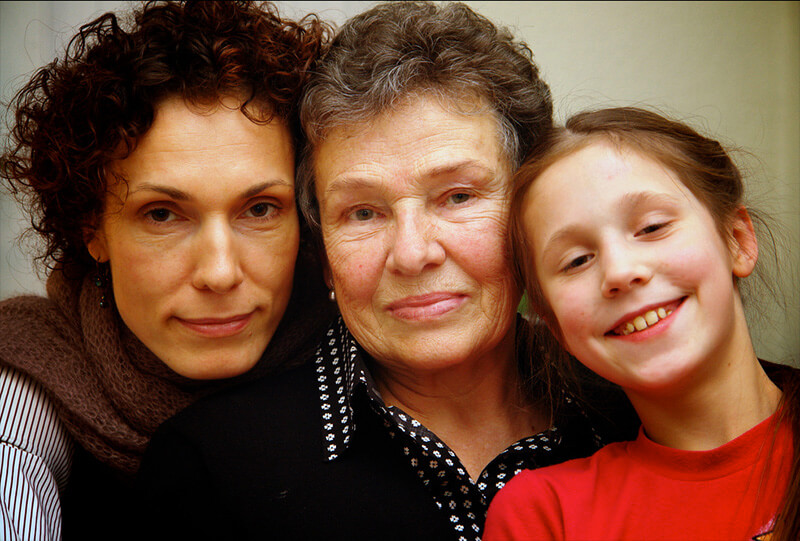
Photo courtesy of Rolands Lakis.